
The world has changed. Right from the way we communicate to the way we commute – every element pertaining to human existence has undergone a radical transformation with the onset of the online revolution. The transition has opened countless avenues for entrepreneurs and small businesses to make it BIG, while providing sustainable mediums for established players to consolidate their footholds. All is good. Or is it? Are you sure you aren’t settling for lemons when you could be riding with the kings? It’s time you decide.

A Typical Day in the World of Digital Marketing
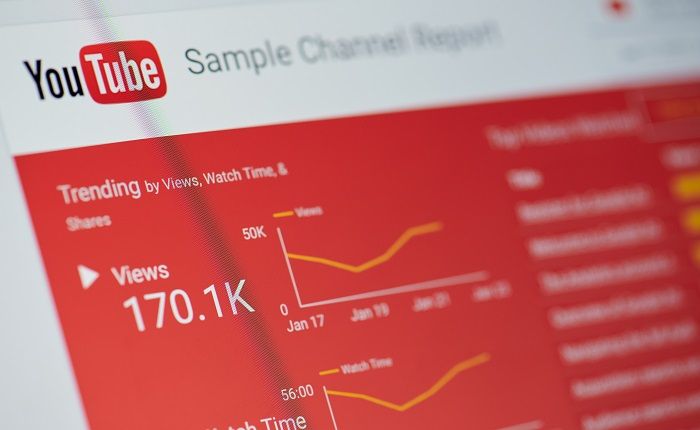
You hire an agency to promote your business, or probably an in-house team of digital marketers, select the most suitable channels, some preliminary work, and the wheel is set in motion. The returns are good, or so you believe. After all, why shouldn’t you – the campaign reports clearly state that your website is receiving “more traffic”, has a “lower bounce rate”, and even paid media jargons such as “CPC” and “CPA” are also faring well. Everything seems to be in place, but is NOT.The Marketers Mirage: Are You Being Taken for a Ride?
If Google’s verdict is anything to go by, approximately 95 percent businesses that invest in digital media waste more than 50 percent of their marcom spend. Therefore, if you invest in digital marketing, odds say you are not doing it right, and neither is almost every organization that thrives on digital enablement. While the initial yield of digital marketing is almost always generous; under the hood, there are always ample optimization possibilities.Demystifying the ROI Myth
ROI, or return on investment, is often misconstrued to be the Holy Grail when it comes to measure the returns driven by online marketing initiatives. In reality, ROI is merely a ratio, signifying the “efficiency” of an investment. The aim lies in the absolute value of the profit that a business has to generate. To be more precise: ROI = (Returns from spend – Value of spend)/Value of spend Terminal ROI is the maximum-sustainable ROI achievable in campaign deployment. Once achieved, the volume of business has to keep growing in order to grow the absolute value of profit. ROI, therefore, does not provide an accurate depiction of the success of marketing initiatives. In fact, it ceases to matter after a certain point. This point is a critical first step in “Profit Driven Marketing” as wellGrowth Hacking: The Next BIG Thing
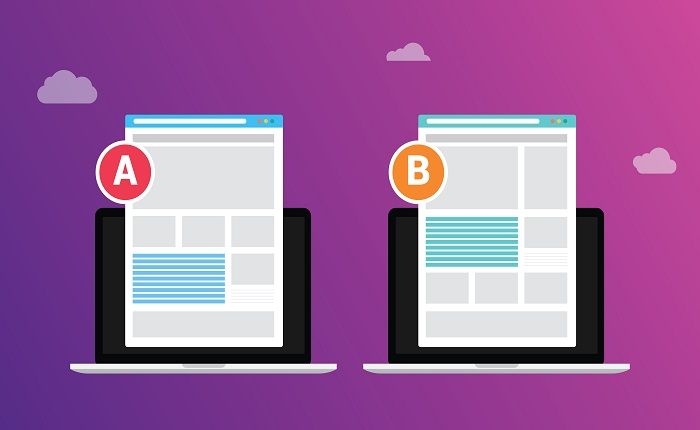
They said I could be anybody; so for today, I am the Hulk. Strange? We disagree. Though every business acknowledges that the web is a remarkable platform to broadcast their solutions; not many are able to see through the smokescreen created by pseudo marketers and the know-it-alls, and realize the true potential of the web as a business growth tool. These are the entities that are usually unaware about growth hacking. Growth hacking is a fairly fundamental, yet rare to find, profit-driven approach to marketing. In simple terms, a growth hacker hacks into the marketing strategy for their client’s business and implement a series of changes in the overall customer acquisition strategy, leveraging a strategic blend of tactical experiments and testing, extensive analysis, and constant improvements to further optimize campaign returns. Certainly not for the faint hearted.