
Search Engine Optimization (SEO) plays the protagonist in driving traffic to your website and increasing online visibility, and as a digital marketer or business owner, you fully grasp the importance of this role. Yet despite your best efforts, you might easily stumble into common SEO mistakes that could set back your efforts. These oversights can affect your website’s performance, ranking, and, ultimately, its ability to attract and retain customers.
In this blog, we will explore common yet critical SEO mistakes that sabotage your SEO performance and provide actionable tips on how to avoid them. By the time we wrap up this blog, you'll be equipped with the knowledge to optimize your website effectively and ace the world of search engine optimization marketing.
Keyword Stuffing
The most common mistake, Keyword stuffing, is cramming a page full of keywords to manipulate search engine rankings. While the intention may be to improve visibility, this tactic often backfires.Consequences of Keyword Stuffing:
- Poor user experience: Excessive keyword usage makes the content unnatural and difficult to read, frustrating visitors.
- Decreased search rankings: Search engines penalize websites that engage in keyword stuffing, causing them to drop in search results.
- Damage to brand reputation: Overuse of keywords can make a website appear spammy, undermining trust and credibility with both search engines and users.
Neglecting Meta Descriptions
Meta descriptions are short text snippets displayed beneath your page title in search engine results. They don't directly impact your search rankings but play a crucial role in enhancing clickthrough rates (CTR) from the search engine results page.Consequences of Neglecting Meta Descriptions:
- Lower click-through rates: Poorly written or missing meta descriptions can reduce the appeal of your listing to users, resulting in decreased clickthrough rates and missed opportunities.
- Missed chance to influence user behavior: Well-crafted meta descriptions can captivate users, prompting them to click through to your website and ultimately increasing the chances of conversions.
Forgetting About Image Alt Tags
Image alt tags, also known as alternative text, provide a textual description of an image. These tags serve two important purposes: accessibility for users with visual challenges and improved image SEO.Neglecting Image Alt Tags may lead to:
- Reduced accessibility: Users with screen readers or other assistive technologies rely on alt tags to understand the content of images. Neglecting image Alt tags hampers the inclusiveness of your website.
- Missed SEO opportunities: Search engines use alt tags to better understand the context and relevance of images, which can impact your overall search visibility.
Unoptimized URL Structures
The structure of your website's URLs plays a vital role in user experience and search engine optimization. Poorly constructed URLs can make your website a maze for users and lower its ranking ability.Unoptimized URL Structures can:
- Decreased search engine visibility: Search engines may have difficulty understanding and indexing pages with complex or irrelevant URLs.
- Poorer user experience: Confusing or lengthy URLs can make it harder for users to remember, share, and navigate your website.
- Missed internal linking opportunities: Well-structured URLs can facilitate better internal linking, which can improve your site's overall SEO.
Ignoring Analytics
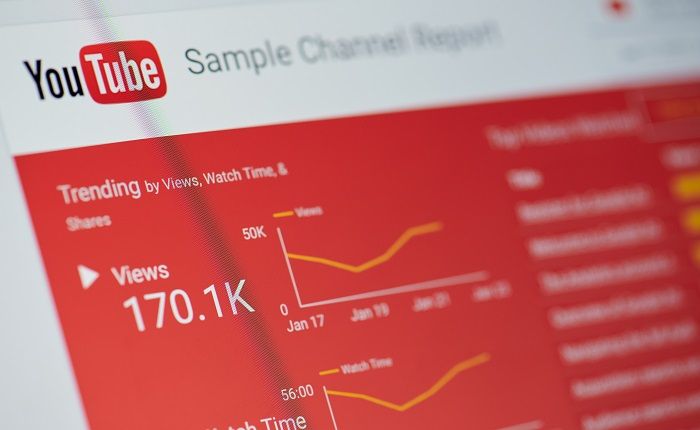
Analyzing your websites performance and behavior using analytics is absolutely vital for making well-informed, data-driven decisions about your SEO strategy.Consequences of Ignoring Analytics:
- Lack of insight into user behavior: Neglecting the analysis of user data results in missing valuable insights into their interactions, making it challenging to finetune your website to meet their requirements effectively.
- Inability to measure the impact of your SEO efforts: Analytics provides the data you need to track the success of your SEO initiatives and make adjustments as needed.
- Missed opportunities for improvement: By overlooking analytics, you’re neglecting the roadmap to identifying and resolving issues that might be hindering your website performance.